Most people spend significant time and money optimising their training programmes, yet pay almost no attention to what they eat around their workouts. That's a meaningful oversight. Research consistently shows that peri-workout nutrition can improve performance, accelerate recovery, and meaningfully increase muscle protein synthesis — all without changing what you do in the gym itself.
This guide gives you the practical framework for pre- and post-workout nutrition, grounded in current sports science research, with specific meal plans for three different goals.
Why Workout Nutrition Matters
Three things happen at the cellular level during and after training that make nutrition timing relevant:
- Muscle protein synthesis (MPS): Exercise damages muscle fibres and triggers MPS — the rebuilding process that makes muscles larger and stronger. Adequate protein around training amplifies this response significantly.
- Glycogen replenishment: Carbohydrates are your muscles' preferred fuel source during high-intensity exercise. Training in a depleted state reduces performance by up to 20% and increases muscle breakdown. Replenishing glycogen post-workout speeds recovery.
- Hormonal environment: Post-exercise, insulin sensitivity is elevated. Consuming protein and carbohydrates in this window drives nutrients into muscle cells more efficiently than at any other time of day.
Pre-Workout Meal: Timing and Macros
Your pre-workout meal should be consumed 2–3 hours before training and should include:
- Carbohydrates (40–60g): To top up muscle glycogen and provide sustained energy throughout the session. Choose complex carbs — oats, rice, sweet potato — for longer sessions. Avoid high-fibre choices that cause GI discomfort mid-workout.
- Protein (20–40g): To prime the amino acid pool before training begins, supporting MPS during and after your session.
- Low fat and low fibre: Both slow gastric emptying. A pre-workout meal high in fat or insoluble fibre risks causing discomfort during the session and delays nutrient absorption.
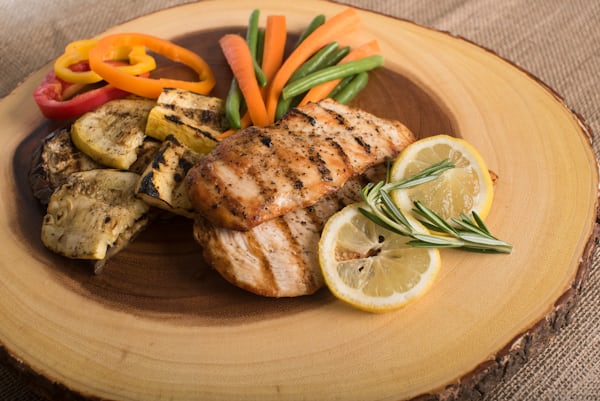
Example pre-workout meal (2–3 hours before): 150g chicken breast + 100g brown rice + 100g broccoli — approximately 450 calories, 45g protein, 40g carbs, 8g fat. For more, see our guide on daily protein needs
The 30-Minute Pre-Workout Snack
If you train first thing in the morning or don't have time for a full meal, a small, fast-digesting snack 20–30 minutes before training can improve performance without causing GI distress:
- Banana + 20g whey protein: 280 cals | 25g protein | 32g fast carbs — clean and effective
- White rice cake + jam + Greek yogurt: 250 cals | 18g protein | 36g carbs — minimal fat, rapid absorption
- Oat-based energy bar (commercial, low fat): 200 cals | 10g protein | 30g carbs — convenient option
- Apple + 30g almond butter: 260 cals | 7g protein | 28g carbs | 16g fat — works better 45–60 min pre-workout due to fat content
- 200ml skimmed milk + 30g oats: 220 cals | 11g protein | 36g carbs — simple and cheap
What to Eat During a Workout
For sessions under 60–75 minutes at moderate intensity, you need nothing beyond water during the workout. Your glycogen stores are sufficient. For sessions exceeding 90 minutes — particularly endurance sports, long runs, or high-volume strength training — intra-workout nutrition becomes relevant. For more, see our guide on high-protein meal prep
- Simple carbohydrates: 30–60g per hour (sports gels, dried fruit, sports drink). The goal is maintaining blood glucose and glycogen availability.
- Electrolytes: Sodium, potassium, and magnesium to replace sweat losses. A standard sports drink covers this, or you can use electrolyte tablets in plain water.
Post-Workout: The Anabolic Window Myth Debunked
For years, the fitness industry told you that you had a 30-minute "anabolic window" after training in which you must consume protein or the workout would be wasted. This is an oversimplification that the research does not support.
A comprehensive 2013 meta-analysis in the Journal of the International Society of Sports Nutrition found that the anabolic window is substantially wider than 30 minutes — likely extending to 3–5 hours post-exercise. What actually matters is your total daily protein intake, distributed across meals. If you had a solid pre-workout meal 2–3 hours before training, your muscle protein synthesis is already elevated and the post-workout urgency is reduced further.
That said, eating a protein-rich meal within 2 hours of training is still advisable — not because missing the window destroys your gains, but because it's practical and you're likely hungry.
Best Post-Workout Meals by Goal
Muscle Building
Prioritise protein (30–50g) and carbohydrates (50–80g). Fat can be moderate. The carbs replenish glycogen; the protein drives MPS.
- Example: 200g grilled chicken breast + 150g cooked white rice + mixed vegetables — 550 cals, 52g protein, 55g carbs
- Or: 40g whey shake immediately post-workout + a full meal within 90 minutes
Fat Loss
Keep carbs moderate (30–50g), maximise protein (35–50g), and stay within calorie deficit. The goal is muscle preservation while burning fat.
- Example: 200g Greek yogurt + 30g protein powder + 1 banana — 420 cals, 55g protein, 38g carbs, 4g fat
Endurance Performance
Carbohydrate replenishment is the primary goal (1–1.5g carbs per kg of bodyweight within 30–60 minutes). Add 20–30g protein to support muscle repair.
- Example: 500ml chocolate milk immediately post-run + full balanced meal within 2 hours
Hydration Around Workouts
Sweat rates vary dramatically by individual, exercise intensity, and environment — from 0.5 to 2.5 litres per hour. A reliable approach: weigh yourself before and after training. Each kilogram of weight lost represents approximately 1 litre of fluid. Replace this within 4 hours post-workout. For sessions under 60 minutes at moderate intensity, drinking to thirst is sufficient. For longer sessions in heat, sodium replacement becomes important — plain water is not enough.
Sample Pre/Post Meal Plans for 3 Goals
Muscle Gain (Training at 6pm)
- 3pm Pre-workout meal: Chicken breast + sweet potato + green beans — 480 cals, 42g protein
- 5:45pm Pre-workout: Banana + 20g whey — 180 cals, 20g protein
- 7:30pm Post-workout: Salmon + white rice + courgette — 550 cals, 45g protein
Fat Loss (Training at 7am)
- 6:30am Pre-workout snack: 200ml skimmed milk + half a banana — 140 cals, 8g protein
- 8:15am Post-workout: 3 scrambled eggs + 100g oats + berries — 480 cals, 35g protein
- 12:30pm Lunch: Turkey breast + salad + small sweet potato — 450 cals, 40g protein
Endurance (Training at 8am, long run)
- 7am Light pre-run: White toast + jam + banana — 280 cals, fast carbs
- During run (60+ min): 1 energy gel or sports drink per 45 minutes
- 9:30am Post-run: Chocolate milk (500ml) immediately, then scrambled eggs on toast within 90 minutes
The Bottom Line
Workout nutrition doesn't need to be complicated. Get a mixed meal of protein and carbohydrates 2–3 hours before training, have a small protein-carb snack if training early morning, and eat a protein-rich meal within 2 hours of finishing. That framework, applied consistently, gives you 90% of the benefit.
The specific foods and exact grams matter far less than consistency. Pick foods you actually enjoy eating, hit your approximate targets, and focus the majority of your energy on your training programme and overall daily nutrition. One or two imperfect peri-workout meals per week will not meaningfully affect your results. Consistent, well-structured training nutrition over months and years most certainly will.