Inflammation is the body's natural defence mechanism — essential, life-saving, and necessary. But when it persists beyond its purpose, it becomes one of the most damaging forces in modern health. Chronic low-grade inflammation quietly underlies type 2 diabetes, cardiovascular disease, Alzheimer's, certain cancers, autoimmune conditions, and accelerated ageing. The good news: what you eat is one of the most powerful levers you have to control it.
Chronic Inflammation vs Acute Inflammation: The Critical Difference
Acute inflammation is your ally. When you cut your finger or catch a virus, your immune system deploys inflammatory signals to flood the area with white blood cells, clear the threat, and initiate healing. This process typically resolves within days. It is essential and protective.
Chronic inflammation is a different animal entirely. It occurs when the inflammatory response never fully switches off — often triggered by poor diet, excess body fat (particularly visceral fat), chronic stress, sleep deprivation, environmental toxins, or persistent infection. The immune system stays in a perpetual low-level state of alert, gradually damaging healthy tissue. Most people don't know they have it because it rarely causes obvious symptoms until significant damage has occurred.
Measuring chronic inflammation is straightforward: a standard blood test showing elevated C-reactive protein (CRP) is the most commonly used marker. Optimal CRP is below 1mg/L. Above 3mg/L indicates elevated cardiovascular risk. Diet changes can reduce CRP meaningfully within 4–8 weeks.
How Diet Drives Inflammation
Three key inflammatory markers respond most directly to diet: C-reactive protein (CRP), a liver-produced protein that rises with inflammation; Interleukin-6 (IL-6), a cytokine that signals the immune system to remain active; and Tumour Necrosis Factor-alpha (TNF-alpha), which promotes systemic inflammation and is elevated in obesity, rheumatoid arthritis, and IBD. Ultra-processed foods, refined carbohydrates, added sugar, and omega-6-heavy seed oils all elevate these markers. The 15 foods below consistently lower them.
The 15 Anti-Inflammatory Foods
1. Blueberries — Active compound: Anthocyanins
Anthocyanins inhibit NF-kB — the master switch for inflammatory gene expression. A 2018 study in the American Journal of Clinical Nutrition found that eating 150g of blueberries daily for 6 weeks significantly reduced NF-kB activation and CRP in healthy adults. Add to oats, Greek yogurt, or eat as a snack.
2. Fatty Fish (salmon, mackerel, sardines) — Active compound: EPA and DHA omega-3s
EPA and DHA are converted into resolvins and protectins — molecules that actively resolve inflammation rather than merely suppressing it. Aim for 2–3 servings of oily fish per week. Each 100g of wild salmon provides approximately 2g of combined EPA/DHA.
3. Turmeric — Active compound: Curcumin
Curcumin inhibits both COX-2 (the same enzyme targeted by ibuprofen) and NF-kB. The bioavailability problem is real: curcumin is poorly absorbed on its own. Always combine with black pepper (piperine increases absorption by 2,000%) and a fat source. Golden milk lattes, curries, and turmeric scrambled eggs are practical delivery methods.
4. Ginger — Active compound: Gingerols and shogaols
Gingerols inhibit pro-inflammatory cytokines. A meta-analysis of 16 randomised trials found ginger supplementation significantly reduced CRP, IL-6, and TNF-alpha. Fresh ginger is more potent than dried. Add to stir-fries, teas, or smoothies. 2–5g of fresh ginger daily is an effective dose.
5. Leafy Greens (spinach, kale, Swiss chard) — Active compounds: Vitamin K, lutein, sulforaphane precursors
Vitamin K activates anti-inflammatory proteins and reduces osteocalcin-driven inflammation. Lutein protects tissues from oxidative stress. A large 2021 study found that people eating 1+ servings of leafy greens daily had CRP levels 25% lower than those eating none.
6. Extra Virgin Olive Oil — Active compound: Oleocanthal
Oleocanthal inhibits the same inflammatory enzymes (COX-1 and COX-2) as ibuprofen — which is why high-quality olive oil causes a mild throat burn similar to ibuprofen. Studies show populations with high EVOO consumption have significantly lower cardiovascular disease rates. Use as a dressing and drizzled over finished dishes; avoid high-heat cooking which degrades polyphenols.
7. Broccoli — Active compound: Sulforaphane
Sulforaphane activates the Nrf2 pathway — your body's master antioxidant switch — which coordinates a broad anti-inflammatory response. Crucially, sulforaphane content is highest in raw or lightly steamed broccoli. Boiling reduces sulforaphane by up to 77%. Eat raw in salads or steam for 3–4 minutes maximum.
8. Walnuts — Active compound: Alpha-linolenic acid (ALA omega-3)
ALA is a plant-based omega-3 that partially converts to EPA. A 2021 study in the Journal of the American College of Cardiology found that adding walnuts to a standard diet for two years significantly reduced inflammatory biomarkers. 30g (a small handful) provides 2.5g of ALA. Eat as a snack or add to salads and porridge.
9. Green Tea — Active compound: EGCG (epigallocatechin gallate)
EGCG is one of the most potent natural anti-inflammatory compounds identified. It inhibits NF-kB, reduces CRP, and has shown protective effects against multiple inflammatory diseases in large observational studies. Drink 3–4 cups of brewed green tea daily. Avoid bottled green tea products — most contain negligible EGCG and significant added sugar.
10. Cherries (tart and sweet) — Active compound: Anthocyanins and quercetin
Tart cherry juice is well-studied in athletes for reducing muscle inflammation and soreness. But regular sweet cherries show similar benefits for joint inflammation. A 2020 study found tart cherry supplementation reduced gout attack frequency by 35% compared to placebo. 200g of fresh cherries or 30ml of tart cherry concentrate provides a meaningful dose.
11. Tomatoes — Active compound: Lycopene
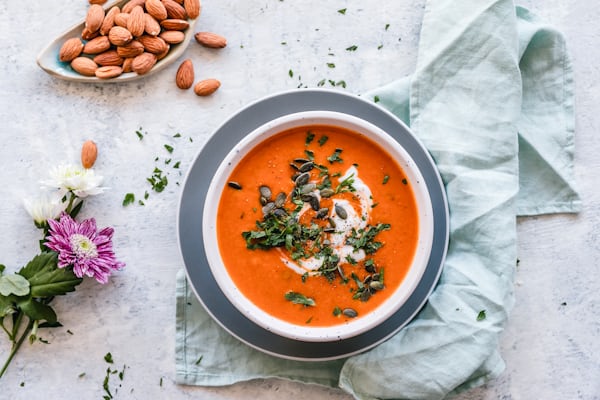
Lycopene is a carotenoid that reduces inflammatory markers and protects against oxidative damage to LDL cholesterol — a key step in atherosclerosis. Critically, cooked tomatoes have higher bioavailable lycopene than raw tomatoes. Tomato sauce, roasted tomatoes, and tomato paste are superior to fresh tomatoes for lycopene delivery.
12. Avocado — Active compound: Monounsaturated fatty acids and phytosterols
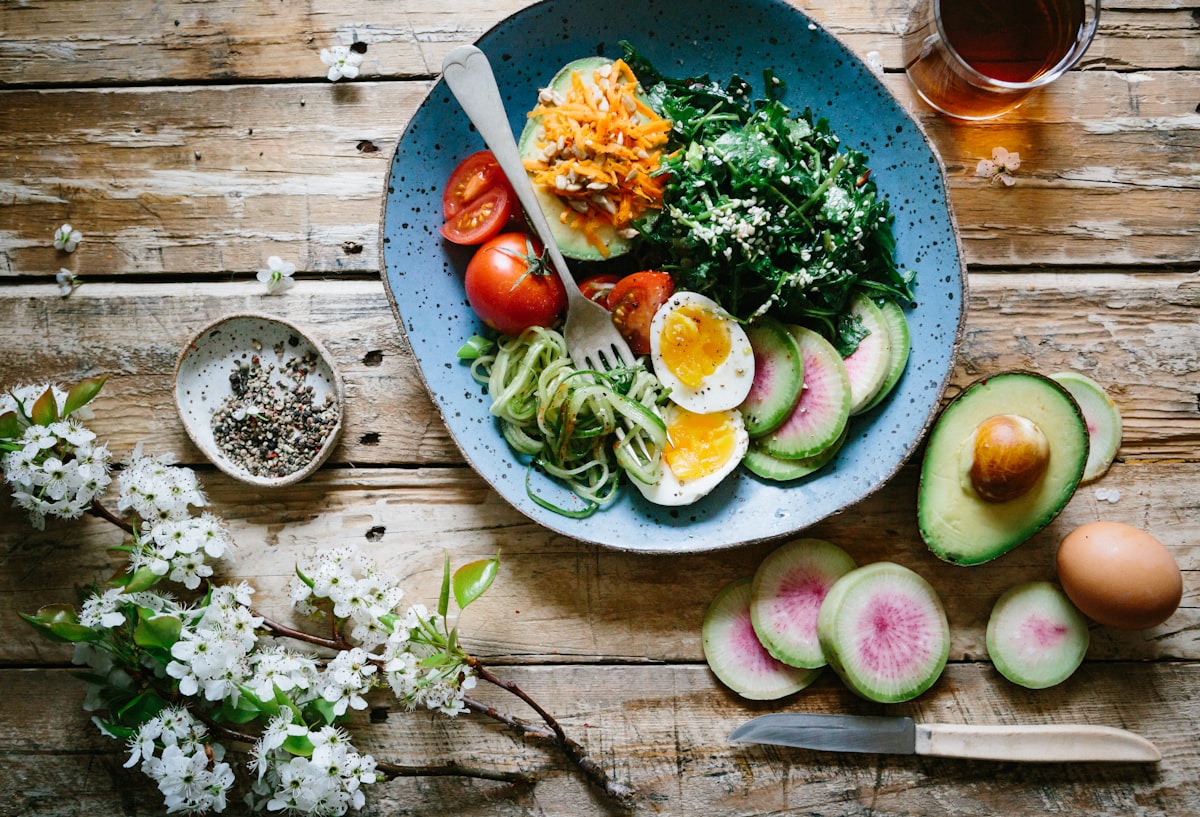
A common myth is that avocados cause inflammation due to their fat content. The opposite is true. Avocado consumption is consistently associated with lower inflammatory markers. Its monounsaturated fats reduce CRP, while beta-sitosterol specifically inhibits inflammatory prostaglandins. Half an avocado daily is a practical, effective serving.
13. Dark Chocolate (70%+) — Active compounds: Flavanols
Flavanols in high-cocoa chocolate reduce NF-kB activation and improve endothelial function. A Cochrane review of 35 trials found that flavanol-rich cocoa products significantly reduced CRP and IL-6. The caveat: milk chocolate and most commercial chocolate bars have flavanols removed during processing. Choose 70%+ cacao content, with at least 3.5mg flavanols per gram. 25–40g daily is the dose used in most trials.
14. Garlic — Active compound: Allicin
Allicin is formed when garlic is crushed or chopped — enzymatic action creates it from alliin. Allicin inhibits cytokine production and reduces CRP. A meta-analysis of 15 trials found garlic supplementation significantly reduced IL-6 and CRP. To maximise allicin, crush garlic and let it sit for 10 minutes before cooking. Heat reduces allicin; adding raw garlic to finished dishes preserves it.
15. Red Bell Pepper — Active compound: Vitamin C
Red bell peppers contain more vitamin C per gram than oranges — approximately 128mg per 100g versus 53mg in oranges. Vitamin C is a potent antioxidant that quenches inflammatory free radicals and regenerates vitamin E. Studies show adequate vitamin C intake is inversely associated with CRP levels. Eat raw to preserve vitamin C (heat degrades it rapidly).
What Makes Food Inflammatory
Just as important as what to eat is what to reduce. The four primary dietary drivers of chronic inflammation are: added sugar (elevates CRP and stimulates IL-6 production via AGE formation); industrial seed oils high in omega-6 (corn, soybean, sunflower oil — excess omega-6 shifts the omega-6:omega-3 ratio towards pro-inflammatory eicosanoids); refined carbohydrates (cause blood sugar spikes that activate inflammatory cascades); and ultra-processed food (combines all three plus emulsifiers that disrupt the gut lining, triggering systemic immune activation).
You don't need to eliminate these foods completely. Reducing their frequency and replacing them with whole foods has a measurable impact on inflammatory markers within weeks.
A 7-Day Anti-Inflammatory Meal Plan
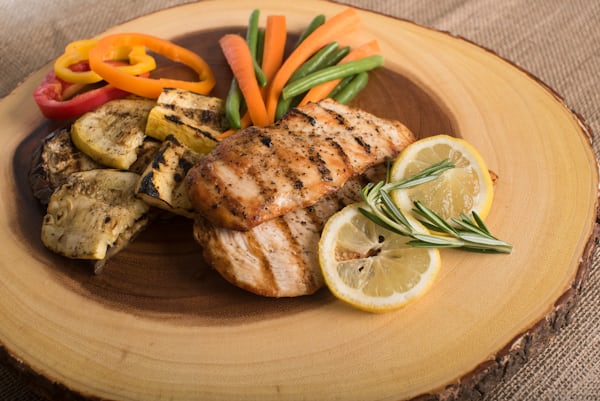
- Monday: B: Blueberry oats with walnuts | L: Salmon salad with avocado and leafy greens | D: Turmeric chicken with roasted broccoli and brown rice
- Tuesday: B: Avocado toast on sourdough with tomatoes | L: Lentil and spinach soup | D: Grilled mackerel with sweet potato and green beans
- Wednesday: B: Greek yogurt with cherries and almonds | L: Quinoa salad with roasted peppers, cucumber and EVOO | D: Beef and ginger stir-fry with broccoli
- Thursday: B: Green smoothie (spinach, ginger, banana, green tea) | L: Tuna and avocado wrap | D: Baked salmon with asparagus and garlic
- Friday: B: Overnight oats with blueberries and chia seeds | L: Tomato and red pepper soup | D: Chicken thighs with turmeric cauliflower rice
- Saturday: B: Scrambled eggs with spinach and tomatoes | L: Smoked salmon on rye with cream cheese | D: Grilled sardines with tabbouleh
- Sunday: B: Walnut and cherry porridge | L: Large Greek salad with olive oil, walnuts, and feta | D: Slow-cooked ginger salmon with roasted greens
Key Takeaways
Chronic inflammation is not an inevitable consequence of ageing or modern life — it is largely a consequence of lifestyle choices, and diet is the most powerful modifiable factor. The 15 foods in this article work through distinct, well-characterised biochemical mechanisms to reduce the core inflammatory markers that drive chronic disease.
You don't need to eat all 15 every day. Building a diet that consistently includes 5–8 of these foods, while reducing ultra-processed food and refined sugar, will produce measurable reductions in inflammatory markers within 4–6 weeks. For a broader healthy eating approach, see our guide to the best foods for weight loss and our complete gut health guide — since a healthy microbiome also reduces systemic inflammation. As always, if you have a chronic inflammatory condition — rheumatoid arthritis, IBD, lupus — dietary changes should complement, not replace, medical treatment. Speak with your specialist about dietary optimisation as part of your overall management plan.