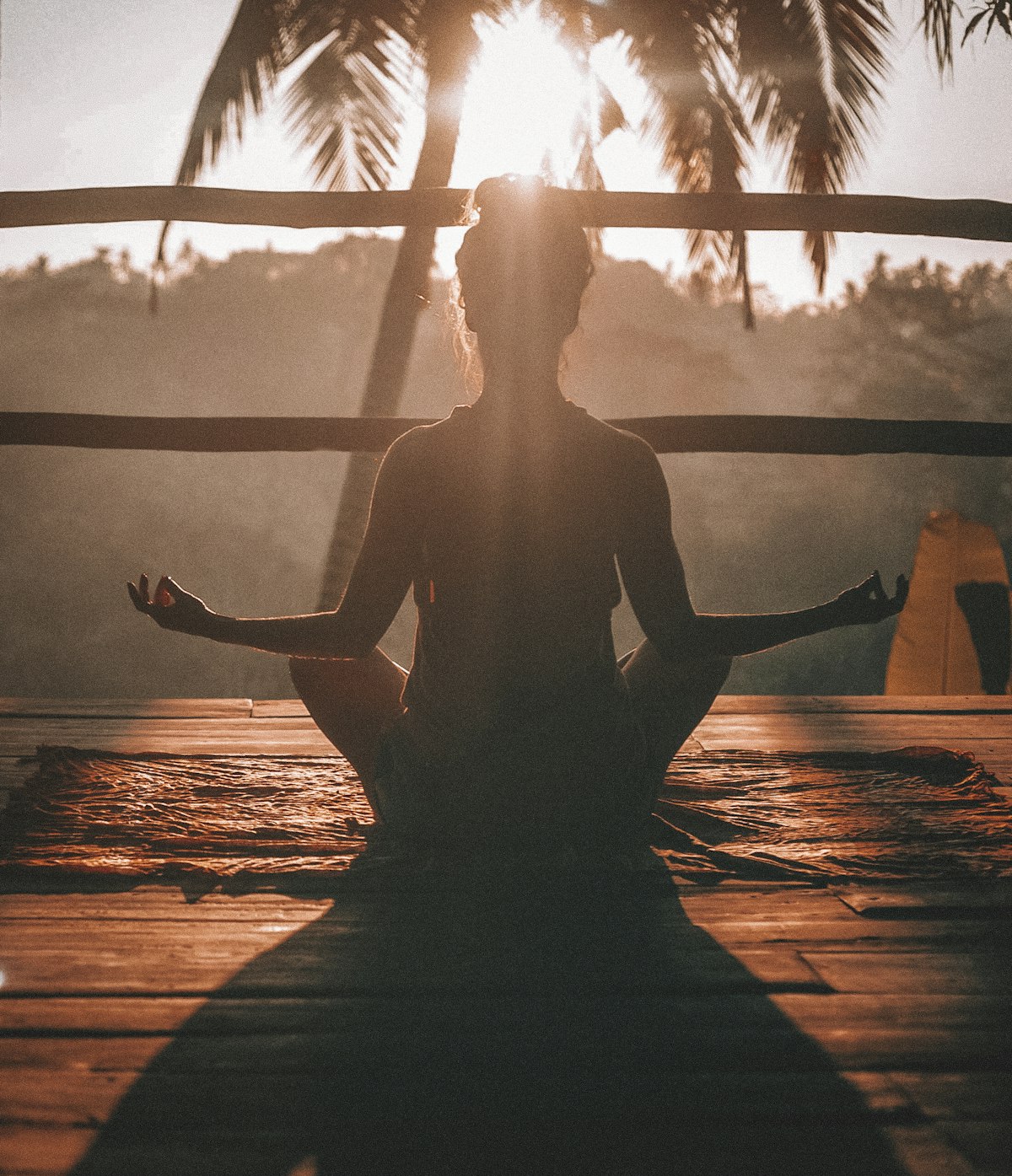
Everyone knows stress is bad for you. But most people dramatically underestimate just how systematically it dismantles your health — and how specific and evidence-supported the solutions really are. Chronic stress is not a feeling to push through. It is a physiological state with measurable consequences for your heart, hormones, immune system, and body composition. The good news: the interventions that reverse it are more accessible than you think.
What Chronic Stress Actually Does to Your Body
Acute stress — the kind you feel before a presentation or a difficult conversation — is a useful evolutionary tool. It sharpens focus, accelerates reaction time, and prepares your body for action. The problem is chronic stress: the kind that never fully switches off.
When your body perceives persistent threat, cortisol and adrenaline remain chronically elevated. This triggers a cascade of damaging effects:
- Cortisol promotes fat storage: Chronically elevated cortisol preferentially drives fat deposition in the abdominal region, raising visceral fat and cardiovascular risk.
- Systemic inflammation: Chronic stress dysregulates the immune system, leading to elevated inflammatory markers (CRP, IL-6) associated with heart disease, diabetes, and cancer risk.
- Muscle breakdown: Cortisol is catabolic — it breaks down muscle tissue. Active people under chronic stress often find it nearly impossible to make strength or muscle gains regardless of training.
- Immune suppression: Stress directly suppresses natural killer cell activity, making you more susceptible to infections and slowing recovery from illness and training.
- Sleep disruption: Elevated cortisol at night prevents the transition into deep sleep, creating a destructive feedback loop: stress disrupts sleep, and poor sleep amplifies stress.
The 10 Techniques
1. Box Breathing (4-4-4-4)
The method: Inhale for 4 counts, hold for 4, exhale for 4, hold for 4. Repeat for 4–8 cycles.
The science: Box breathing activates the vagus nerve and stimulates the parasympathetic nervous system within 60–90 seconds, measurably reducing cortisol and heart rate. US Navy SEALs use it to perform under extreme pressure.
How to start: Set a 3-minute timer before your next stressful meeting or moment of anxiety. Do nothing but breathe in the box pattern.
2. Progressive Muscle Relaxation (PMR)
The method: Systematically tense and release muscle groups from feet to head, holding tension for 5 seconds before releasing.
The science: A 2024 meta-analysis of 38 studies confirmed PMR significantly reduces anxiety, cortisol, and blood pressure. It works by breaking the physical tension-stress feedback loop stored in the body's muscles.
How to start: Practice for 15 minutes before bed using a guided audio — apps like Insight Timer have free PMR sessions. For more, see our guide on mindfulness for beginners
3. Cold Exposure
The method: End your shower with 30–90 seconds of cold water, or use a cold plunge if available.
The science: Cold exposure triggers a massive release of norepinephrine (up to 300% in some studies), a neurotransmitter that powerfully improves mood, focus, and stress resilience. Regular cold exposure trains the stress-response system to be more adaptable — you literally practise staying calm under discomfort.
How to start: End your daily shower with 30 seconds of cold. Increase by 15 seconds each week.
4. Exercise (30 Min/Day)
The method: Any moderate-intensity physical activity for a minimum of 30 minutes, five days per week.
The science: Exercise produces BDNF (brain-derived neurotrophic factor), which protects neurons from stress-related damage. It also reduces amygdala reactivity — essentially making your brain less reactive to perceived threats. The American Psychological Association rates exercise as one of the most consistently effective stress interventions available.
How to start: A 30-minute walk counts. You do not need a gym. For more, see our guide on sleep and fitness connection
5. Journaling
The method: Write freely about stressors, thoughts, or feelings for 10–15 minutes daily.
The science: Research from the University of Texas at Austin found that expressive writing (journaling about stressful events) reduces psychological distress, improves immune function, and lowers blood pressure. The mechanism involves the prefrontal cortex processing and integrating emotional experiences rather than ruminating on them.
How to start: No format required. Simply write what is on your mind for 10 minutes each morning or evening.
6. Social Connection
The method: Schedule intentional, device-free time with people you trust.
The science: Oxytocin released during positive social contact directly suppresses cortisol and activates the parasympathetic nervous system. A landmark meta-analysis of 148 studies found that strong social connections are associated with a 50% increased likelihood of survival — making loneliness a greater health risk than smoking 15 cigarettes a day.
How to start: Schedule one face-to-face social interaction per week at minimum. Quality matters more than frequency.
7. Limiting Doom-Scrolling
The method: Set hard time limits on news and social media consumption — ideally no more than 30 minutes total per day.
The science: Researchers at the University of Sussex found that limiting news consumption to 30 minutes per day significantly reduced anxiety and improved wellbeing in high-stress periods. Your brain cannot distinguish between direct personal threat and televised or social-media-broadcast threat — it responds to both with cortisol.
How to start: Use your phone's built-in screen time limits. Set a daily cap on news apps.
8. Nature Walks
The method: Walk in a natural environment — park, woodland, waterfront — for at least 20 minutes.
The science: A 2019 Stanford University study using fMRI imaging found that 90-minute nature walks reduced activity in the subgenual prefrontal cortex — a brain region associated with repetitive, self-referential negative thought (rumination). Cortisol dropped measurably after just 20 minutes in nature. Urban walks did not produce the same effect.
How to start: Replace one lunchtime phone scroll with a 20-minute walk to the nearest green space.
9. Sleep Prioritisation
The method: Commit to 7–9 hours of sleep nightly, with a consistent schedule.
The science: Sleep and stress exist in a bidirectional relationship — stress disrupts sleep, and sleep deprivation amplifies stress reactivity. Consistently prioritising sleep is arguably the most powerful single intervention for reducing basal cortisol levels. See our full guide on sleep and fitness for detailed strategies.
How to start: Set a fixed bedtime alarm — not just a wake alarm.
10. Professional Support (Therapy)
The method: Engage with a qualified therapist, particularly one trained in Cognitive Behavioural Therapy (CBT) or Acceptance and Commitment Therapy (ACT).
The science: CBT is one of the most extensively researched psychological interventions in existence, with hundreds of controlled trials confirming its effectiveness for stress, anxiety, and depression. If your stress feels persistent, overwhelming, or is impacting your daily functioning, please consult your doctor or a licensed mental health professional. This is the most important step — and seeking help is a sign of wisdom, not weakness.
How to start: Speak to your GP, or search for a registered therapist through a professional directory in your country.
Why "Just Relax" Doesn't Work
One of the most pervasive and unhelpful pieces of wellness advice is the instruction to simply "relax" or "calm down." Chronic stress is not a mindset choice — it is a physiological state driven by HPA axis dysregulation, elevated catecholamines, and neurological changes in the amygdala. Telling someone under chronic stress to "just relax" is like telling someone with hypothyroidism to "just make more thyroid hormone." Passive rest — sitting on a couch, watching television — does not reliably lower cortisol. Active, evidence-based interventions do.
Building a Personal Stress Management Stack
You do not need to implement all ten techniques simultaneously. Research suggests that consistency with 2–3 complementary practices is more effective than sporadic use of all ten. A practical starting stack might look like this:
- Morning: 5 minutes of box breathing after waking
- Midday: A 20-minute nature walk or outdoor break
- Evening: 10 minutes of journaling and a consistent sleep schedule
Layer in exercise, social connection, and screen-time limits as habits solidify. Track your perceived stress weekly on a simple 1–10 scale. You will see the numbers shift within two to four weeks.
The Bottom Line
Chronic stress is not inevitable, and managing it is not a matter of willpower or self-discipline. It is a matter of using evidence-backed tools consistently. The ten techniques in this article are among the most robustly researched interventions available — and most of them are free. Start with one, measure the difference, then build from there. Your brain, your body, and everyone around you will benefit. If stress feels unmanageable, please reach out to a qualified healthcare professional — help is available and it works.